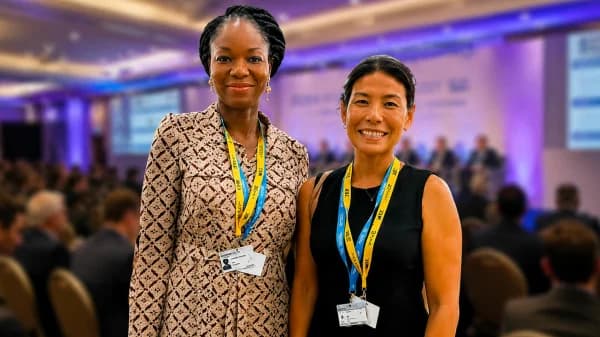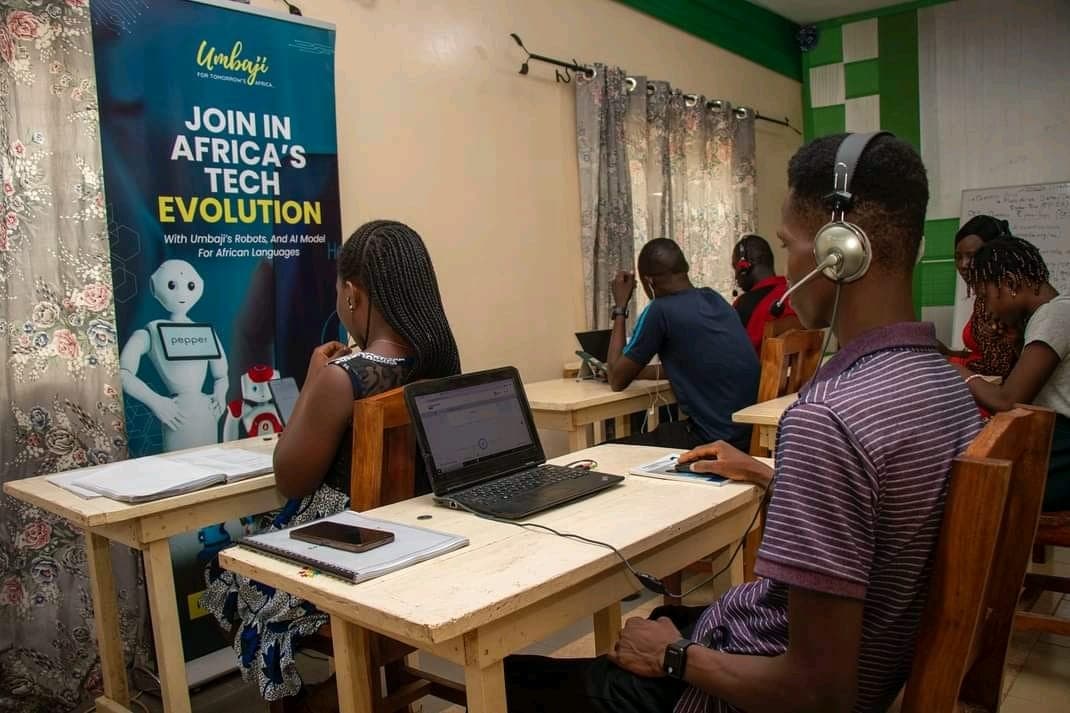
Yodi demoed across the international digital business fair, on every screen at the event.
A speech model behaves differently in a trade-show hall than on a test bench. Which is exactly why it has to be taken there — and why what it learns there has to be accepted.
The context
SIPEN, the UEMOA international salon for digital economy professionals, moves capital each edition: Dakar in 2023, Abidjan in 2024, Lomé in 2025, Ouagadougou in 2026. The Togolese edition brought together digital players from the Union's eight member states.
A model tested only in-house is judged on clean recordings made by people who know how to speak to it. That is not the real condition of use, and the gap between the two only shows in public.
What we did
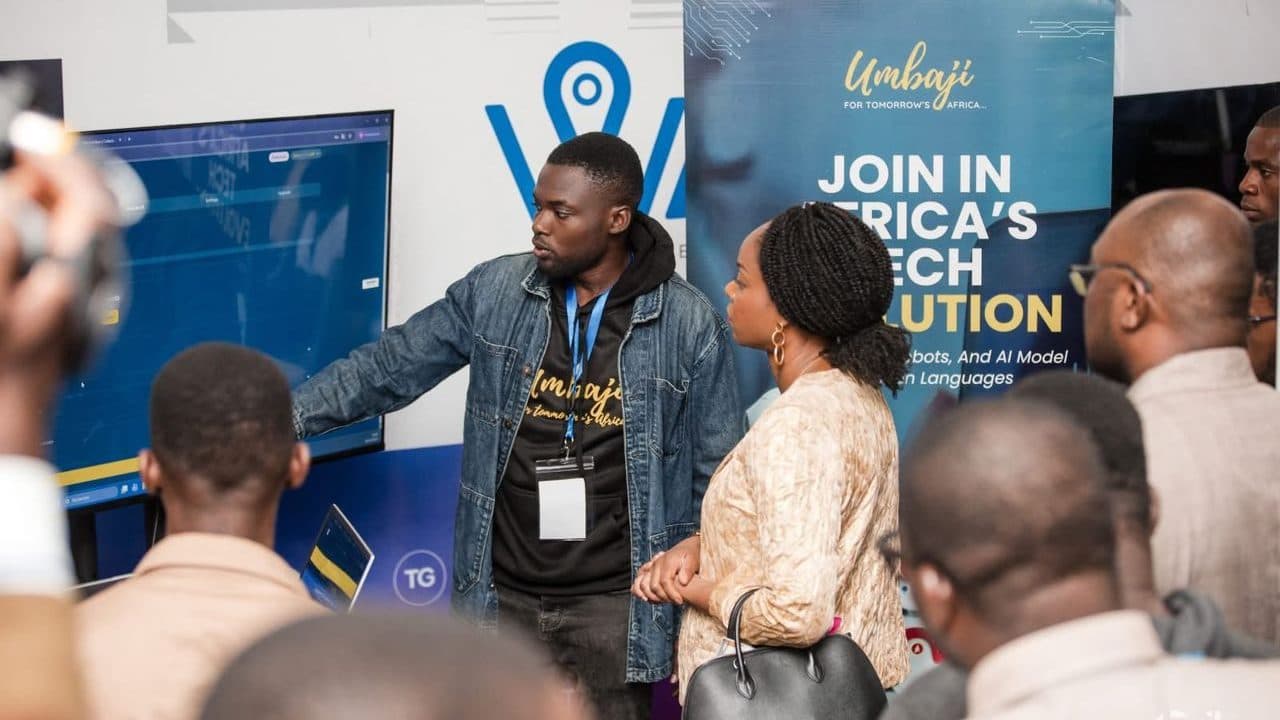
Umbaji presented Yodi there, our speech AI model for West African languages. The demonstration ran on the salon's screens, in front of native speakers who could judge the output in a second — which no metric does that fast.
What it changes
A trade-show hall supplies everything a test set removes:
- Ambient noise, overlapping voices, microphones held too close or too far.
- Accents and speech rates the training corpus never covered.
- Immediate judgement: a native speaker knows at once whether the output is right.
Whatever fails in public goes back into the corpus. That requirement is also where the Eyaa-Tom corpus and the Lom metric came from: announcing that a model “supports” a language costs nothing, showing it to the people who speak it is another exercise entirely.
What comes next
SIPEN gathers eight countries sharing a currency, common regulatory frameworks and, to a large extent, cross-border languages. Ewe does not stop at the Ghanaian border; Mina and Bassar ignore administrative lines. A model useful in Togo is mechanically useful beyond it, which argues for building at the Union's scale rather than one country at a time.
Running an event where Yodi would belong, or want to try it on your own use case? Open the demo.