Joint development of models for understanding, translating, and restoring Togolese national languages.
Fifty national languages. Fifty hours of validated speech for each. Six thousand translated sentence pairs. That is what it takes for someone in Togo to address their administration in the language they speak at home. The work opened on 12 July 2026.
The context
A digital public service that exists only in French excludes, in practice, anyone who does not use it. That is not a shortage of technical will: it is a shortage of data. African languages are close to absent from AI models because no corpus exists to let them in — and nobody builds a corpus by accident.
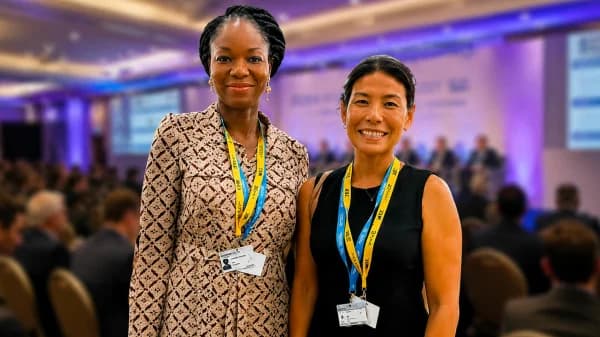
Togo AI Lab, the pan-African platform Zindi and Umbaji joined forces to address that at source. The project was presented at the AI for Good global summit in Geneva and sits inside Togo's national artificial intelligence strategy.
Too many African languages remain under-represented.Celina Lee, CEO of Zindi
What we did
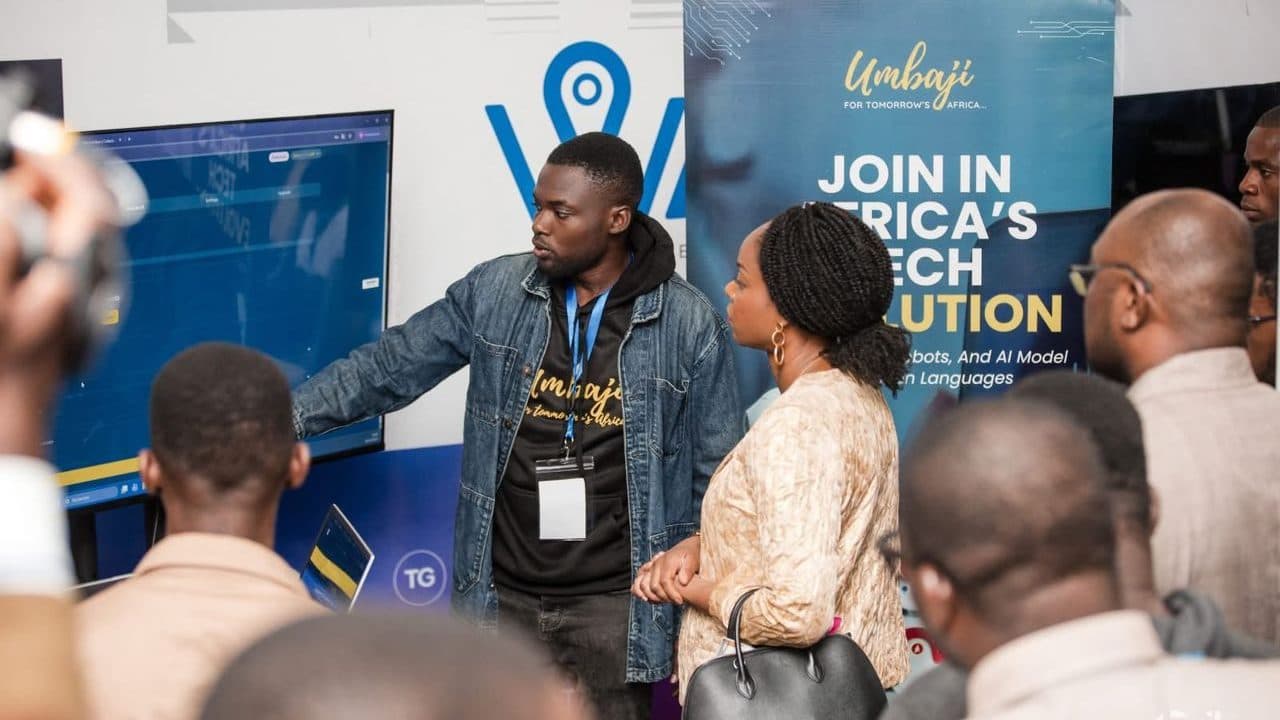
Umbaji brings collection and validation — the least spectacular part of the project, and the one everything else depends on. A speech model is worth exactly what its training corpus is worth, and a low-resource corpus cannot be scraped from anywhere: it is built, one recording at a time, by native speakers who review each other's work.
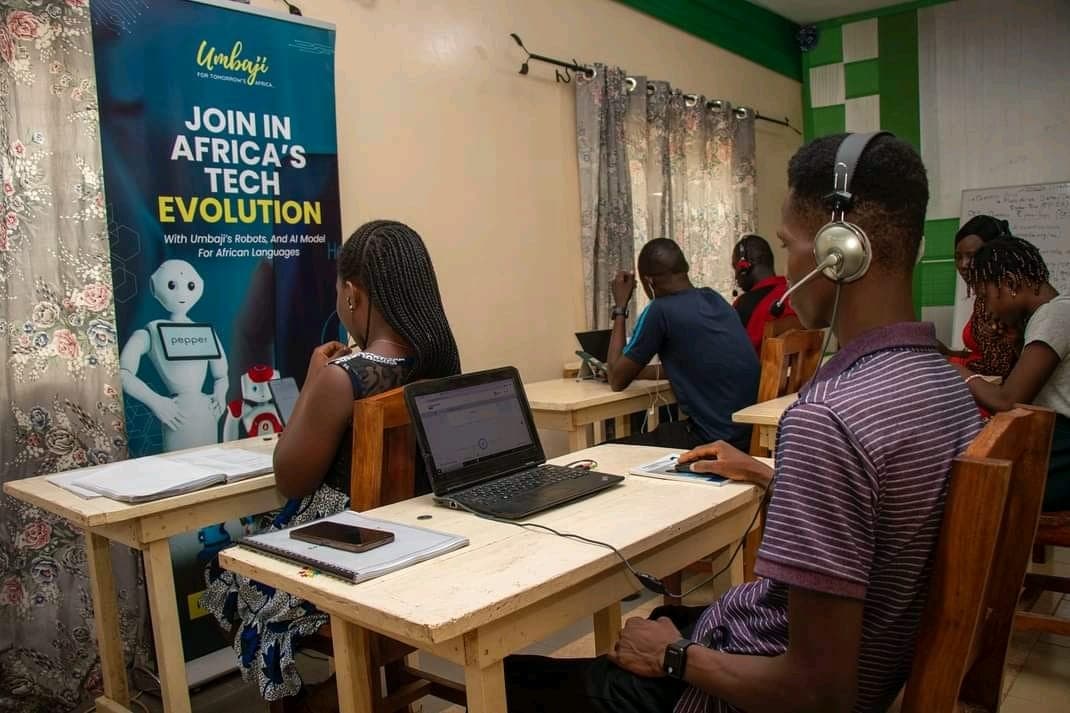
We do not arrive without experience: earlier campaigns covered eleven African languages across six countries. What changes here is the order of magnitude — fifty languages within a single country.
What it changes
The project publishes its targets, which makes them checkable rather than merely declared:
- Ten languages already named: Ewe, Mina (Gen), Kabiyè, Tem (Kotokoli), Moba, Gourmantchéma, Bassar (Ntcham), Losso (Naoudem), Akposso and Ana-Ifè.
- 50 hours of validated speech and 6,000 translated sentence pairs per language.
- Four international competitions on Zindi, with a $40,000 prize pool, putting the models in front of outside teams.
- Three families of models in scope: speech recognition, speech synthesis and translation.
Losso, Akposso and Ana-Ifè had never appeared in any digital corpus. Getting them into a public dataset changes what is possible for them well beyond this project.
Language models are essential public infrastructure.Cina Lawson, Minister for Public Service Efficiency and Digital Transformation
What comes next
Treating a language model as infrastructure is a commitment: it implies funding written into the long term, measurements published in the open, and correction when those measurements disappoint. Togo AI Lab carries the public side, backed by Berkeley's Center for Effective Global Action, the Patrick J. McGovern Foundation, the Development Innovation Fund and ProDigiT. Zindi, founded in 2018, opens its competitions to more than 100,000 specialists across more than 180 countries.
Do you speak one of these languages, or work on the data that documents them? Get in touch, or contribute directly through the Data Hub.