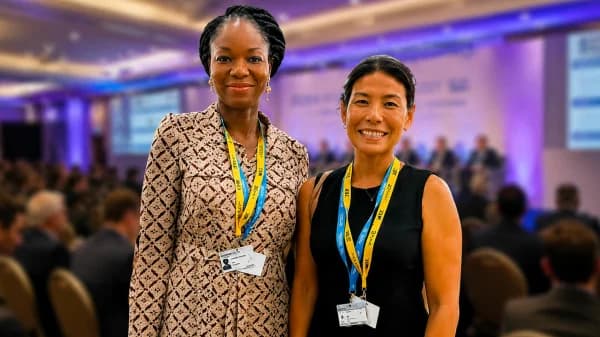
Leroy Abiguime speaks on the place of African languages in tomorrow's models, alongside other pan-African voices.
A summit almost never exists to announce a technology. It exists to get a problem recognised. The one carried to Geneva fits in a sentence: someone who does not speak the language of their administration stays locked out of the digital services it puts online.
The context
The AI for Good global summit ran in Geneva from 7 to 10 July 2026. It gathers the people who decide where international AI money and attention go. African languages are rarely on that agenda, and when they are, it is as a research subject rather than as infrastructure to be funded.
What we did
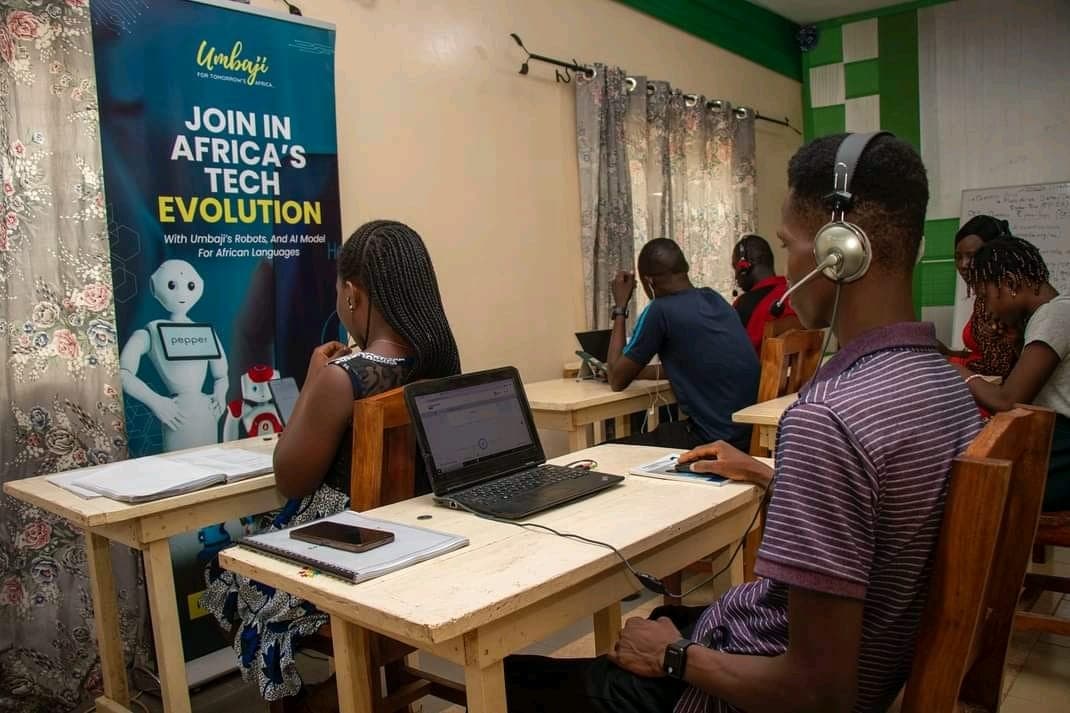
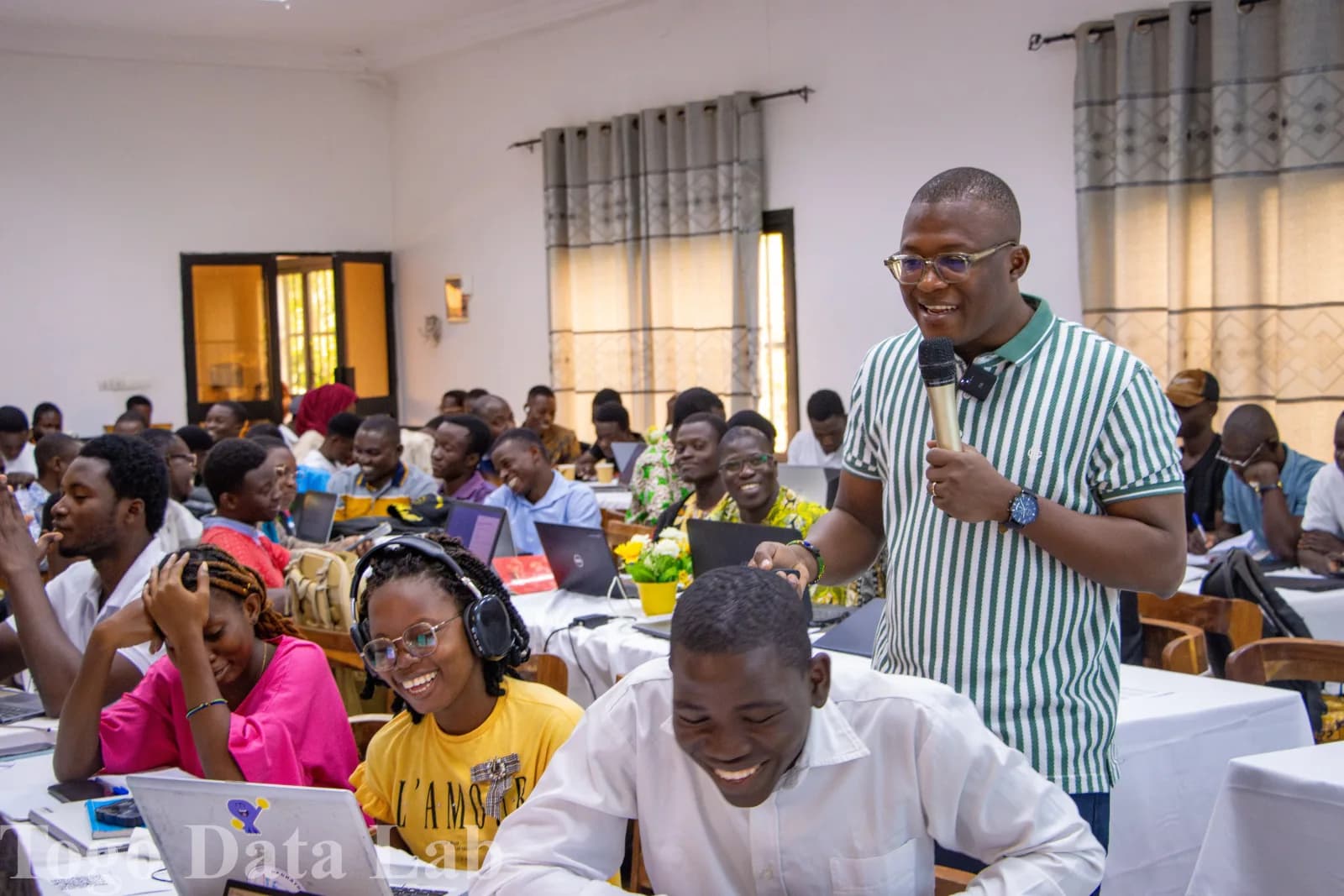
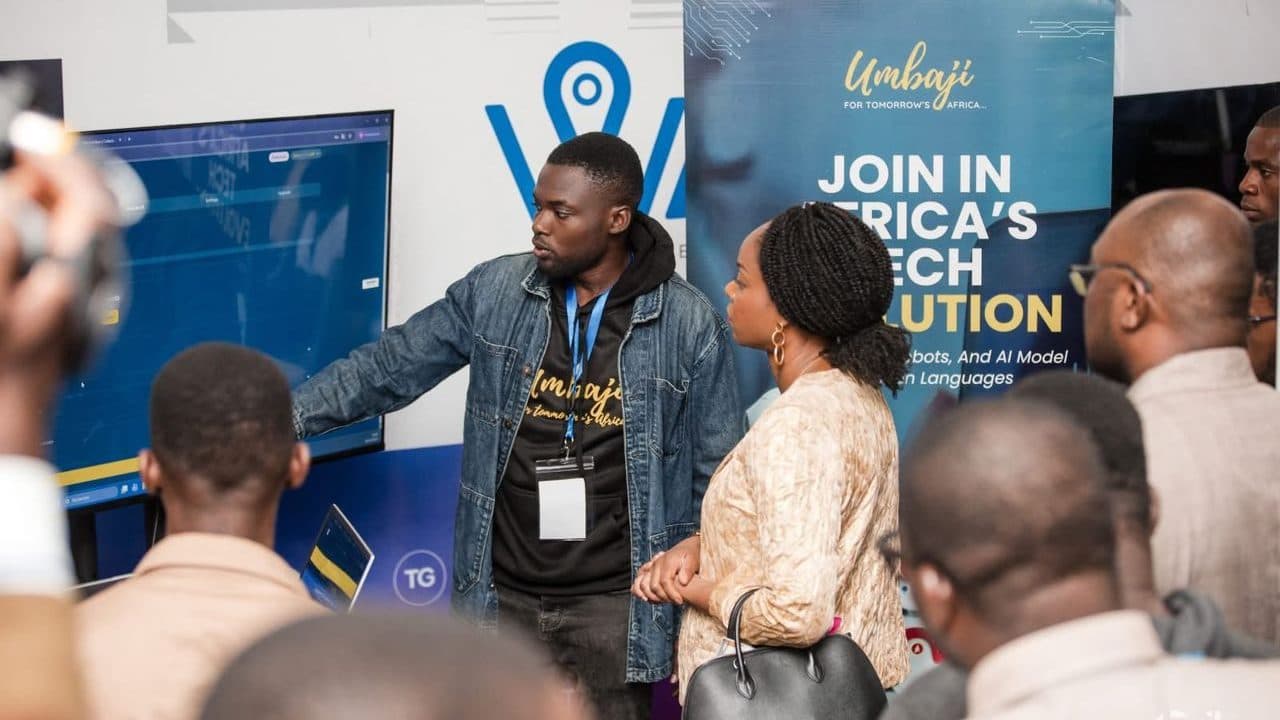
With Togo AI Lab and Zindi, Umbaji brought a quantified project rather than an intention: fifty national languages, fifty hours of validated speech and six thousand translated sentence pairs for each. Our share is collection and validation — the raw material without which no model stands up.
Presenting checkable targets instead of a promise is not a communications detail. It is what makes it possible, two years from now, to say whether the work held.
What it changes
Language models are essential public infrastructure.Cina Lawson, Minister for Public Service Efficiency and Digital Transformation
The word commits. A demo is judged by the effect it produces on stage; infrastructure is judged by what it carries for years. Getting a language model recognised as a road or a power grid is how it gets funded over time, measured in the open, and corrected when the measurement disappoints.
What comes next
The work announced in Geneva is now under way. The case study on the partnership sets out the ten languages already named, the Zindi competitions and each partner's role.