
Opinion
HLlama: Building AI That Speaks the Language of Togolese Women, With Them and Not Just For Them
HLlama is a conversational AI assistant that lives inside WhatsApp and answers Togolese women's questions about reproductive and maternal health, in French, Éwé, Kabyè or Mina. Why we build it with the communities we serve, not just for them.
Who We Are, and What We're Building
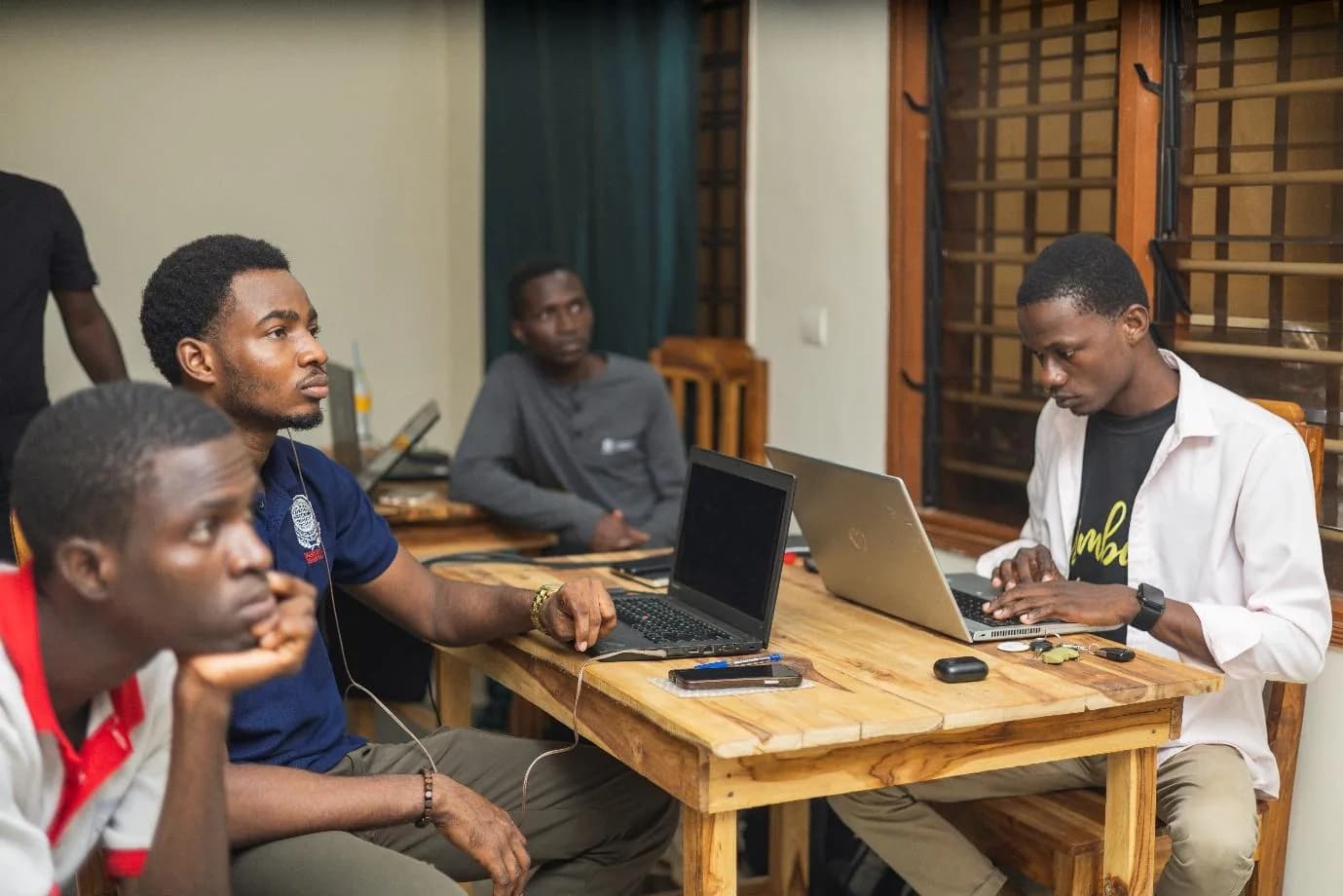
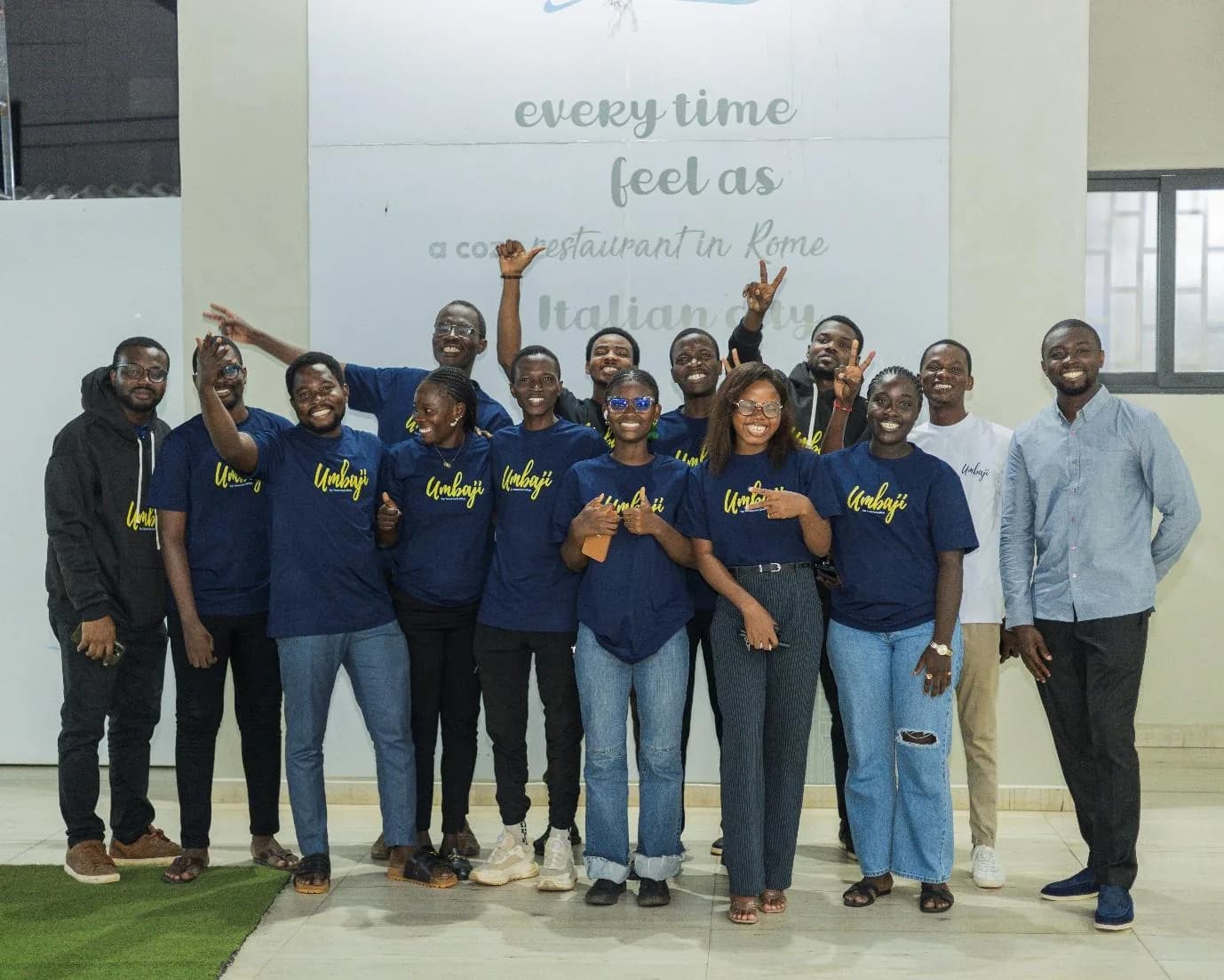
I'm Justin E. Bakoubolo, CEO and co-founder of Umbaji, a Togolese AI company built on a simple conviction: technology only closes a gap if it speaks the language, literally and culturally, of the people standing on the other side of it. Too many of the health tools built for West Africa arrive in French or English, assume a smartphone and a stable connection, and say nothing about the questions women actually whisper to a friend rather than type into a search bar: about their cycle, about a pregnancy, about which pharmacy is open and safe at this hour.
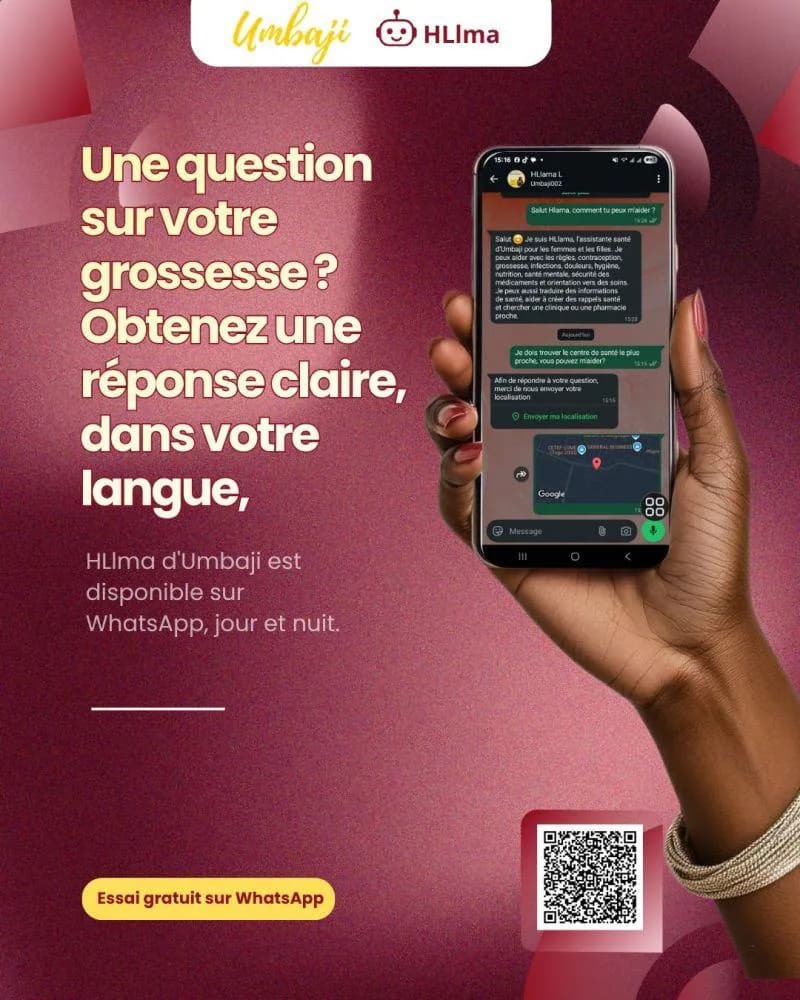
That gap is what our flagship product, HLlama, exists to close. HLlama is a conversational AI assistant that lives inside WhatsApp, the app the vast majority of Togolese women already use every day, so there is nothing new to download and no account to create. A woman simply writes a message, the way she would to a trusted friend, and HLlama answers in French or in one of the local languages we support, including Éwé, Kabyè and Mina. It focuses deliberately on a narrow, high-stakes domain: sexual and reproductive health, maternal health, and women's general wellbeing. Contraception, menstrual cycles, pregnancy, STI prevention, answered warmly, factually, and without judgment. When a conversation signals something beyond general information, such as an emergency, violence or real distress, HLlama routes the user directly to the right resource: a helpline, or the nearest pharmacy or clinic through our partnership with OSV.
Our investment from the UNICEF Venture Fund is specifically fueling three things: deepening HLlama's local-language AI and data pipeline, extending access beyond smartphones through offline voice-call and SMS channels for women with no internet connection, and building a women-led network of local sales and outreach agents who can bring HLlama into communities in person, not just through an app store.
None of this is a solo effort. My co-founder, Catherine Nana Nyaah Essuman, leads our research and development in NLP and AI, and her hand is on every decision about how HLlama should sound, what it should refuse to guess at, and how it should treat a subject as sensitive as reproductive health. “We didn't want to build another chatbot that translates English health advice into local languages after the fact,” she often reminds the team. “We wanted one that was trained on how women here actually ask these questions in their own words.” That principle, building in the language and logic of the community rather than translating into it, shapes everything that follows.
Our Vision: Meeting Women Where the System Doesn't Reach Them
The scale of what we're up against is sobering. Sub-Saharan Africa accounts for roughly 70% of the world's maternal deaths, and across the continent an estimated 178,000 mothers die every year from largely preventable causes (WHO/AFRO, 2025); globally, a woman still dies from a pregnancy-related cause roughly every two minutes (WHO, 2024). Here in Togo, the maternal mortality ratio stands at around 349 deaths per 100,000 live births (UNICEF Data, 2025), five times higher than the global 2030 target. Layer on top of that a persistent digital divide: women in Sub-Saharan Africa remain about 29% less likely than men to use mobile internet, leaving hundreds of millions of women effectively invisible to digital health services (GSMA Mobile Gender Gap Report, 2025; GSMA, 2024).
Our vision is that no Togolese woman should be cut off from trustworthy health information because of the language she speaks, the phone she owns, or how comfortable she feels asking a stranger a question about her body. Over the next twelve months, we're aiming to grow HLlama from an early pilot to a service actively used by 1,500+ women, with speech recognition and translation accuracy above 95% across our supported local languages, and a trained network of 250+ women and community volunteers helping others discover and trust it. Success, for us, looks like fewer women delaying care because they didn't know where to turn, and more women making informed decisions about their own health, on their own terms.
Built With, Not Just For: Our Technology and Our Community Partners
HLlama runs on an open-source, Llama-based multilingual architecture, but the technology is only half the story. The harder, slower work, and the part I'm proudest of, is how we build the data that teaches HLlama to actually understand Togolese women. Our language models are trained on data collected and validated locally, with native speakers, rather than machine-translated from French or English after the fact. It's a slower path, but it's the only one that lets HLlama capture the real nuance and cultural context that a subject like sexual and reproductive health demands.
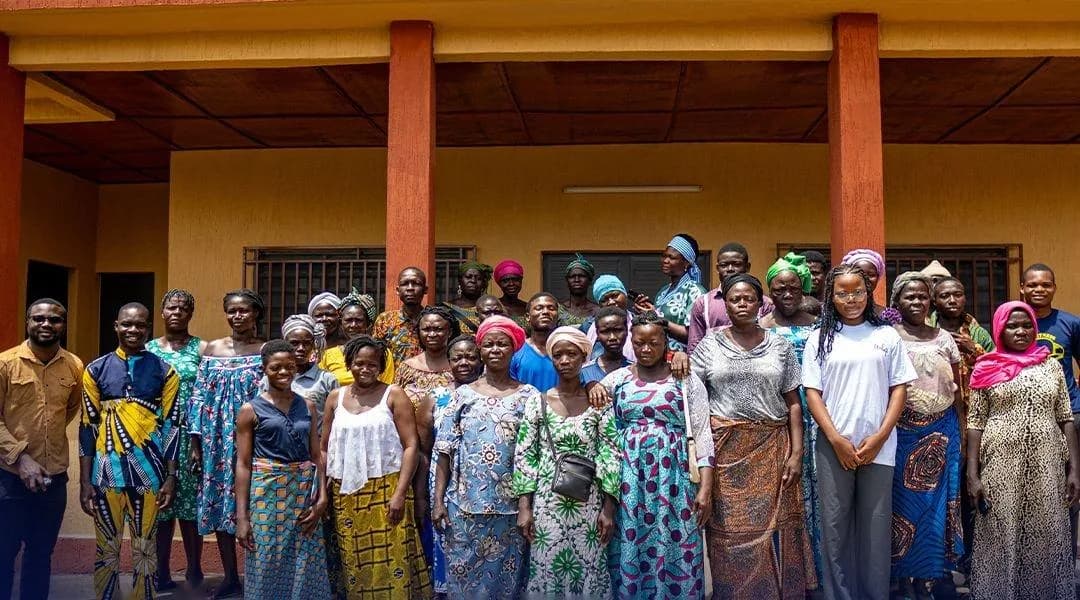
That's why Umbaji doesn't do this work alone. We partner directly with women's organizations who are already trusted inside the communities we want to serve, not only to collect training data but to get early, honest feedback on every feature we deploy. Two of our closest partners today are UNIFESA (Union Féminine des Savanes), a women's agricultural organization active across Togo's Savanes region, and Fadila Ménage, a Lomé-based company staffed by and built around women providing household and care services. Through these partnerships, women are asked real questions about maternal health in their own languages, they share their knowledge and lived experience, and their communities are directly incentivized to contribute the data that, in turn, makes HLlama better at serving them, whether through small mobile-money and airtime incentives for participation, or early, free access to the very health guidance and features that data helps us build. We're also building out several additional partnerships with other female-led and women-focused organizations across Togo's regions, which we'll be able to say more about in the coming months.
This model matters for a structural reason, too: only about 1% of venture funding raised by African startups in 2024 went to women-led teams (Disrupt Africa / mohacafrica.org, 2024), and African languages remain dramatically under-represented in the data that trains AI systems globally (CIGI, 2024). Grassroots partnerships like these let a small, resource-constrained team like ours build a genuinely representative, trustworthy dataset without needing the budget of a Silicon Valley lab, and they mean the women whose knowledge trains HLlama are the same women who benefit first from what it can now do.
Being Part of the Femtech Ventures Cohort
Joining the UNICEF Venture Fund's Femtech Ventures cohort has been a turning point for Umbaji. In the months since, we've grown HLlama from a concept to a service with more than 300 active users testing it via WhatsApp, launched dedicated AI agents for maternal and pre-maternal healthcare advice, and, through our partnership with OSV, made it possible for users to find the nearest pharmacy or doctor directly through the chatbot.
Beyond the funding itself, the cohort has given us something just as valuable: a peer network of founders solving parallel problems across the continent, structured mentoring, and learning sessions that have sharpened how we think about scaling responsibly rather than just quickly.
Looking ahead to the rest of the programme, our priorities are clear: launch our offline voice-call channel so women without smartphones or reliable internet can reach HLlama by a simple phone call, onboard at least eight new local partners, and keep pushing our local-language speech recognition toward the 95% accuracy mark. We also want to keep growing that community of trained women ambassadors, because the women who introduce their neighbours to HLlama are, in the end, as important to its success as any model we train.
Join Us
If you're a women's organization in Togo or West Africa doing work that touches maternal health, reproductive health, or women's economic empowerment, I'd love to hear from you. There is real value in building this together. If you're a developer or researcher interested in African language AI, our approach to community-sourced local-language data is something we're glad to discuss. And if you simply want to follow how a small Togolese team is trying to close a very old gap with a very new tool, follow us.
Justin E. Bakoubolo, CEO & Co-Founder, Umbaji
Website: umbaji.org
LinkedIn: linkedin.com/company/umbaji
Contact: contact@umbaji.org
References
2. WHO, “Maternal mortality” fact sheet (2024)
3. UNICEF Data, Togo country profile, maternal mortality ratio (2025)
4. GSMA, Mobile Gender Gap Report 2025 press release
5. GSMA, “810 million women still not using mobile internet in low- and middle-income countries” (2024)